

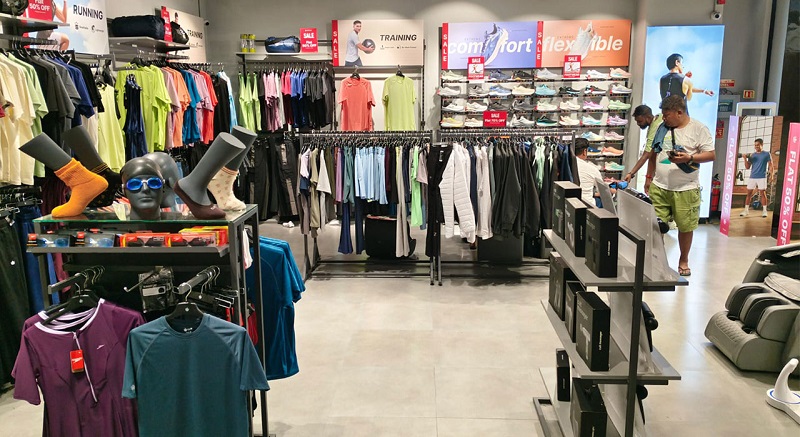
Step into the modern fitness market, and you are immediately bombarded by a sensory overload of high-tech gear, proprietary supplements, and aggressive marketing. Social media feeds overflow with boutique apparel lines and smart devices promising to automate your motivation. Yet walk into the garage or basement of almost any seasoned athlete, and you will find the opposite of excess: a small, carefully chosen collection of rugged, highly versatile tools that get used week after week.
Sustaining an active lifestyle rarely comes down to having more equipment. It comes down to eliminating the friction that stands between you and your daily workout. Cheap running shoes that cause shin splints, gym shorts that ride up during lunges, or fragile home workout gear all create subtle psychological barriers that derail consistency. Investing in the right fitness essentials is not about keeping up with aesthetic trends; it is about outfitting your life with durable, performance-driven tools that support your body, accelerate recovery, and hold up under heavy use.
Foundation First: Purpose-Built Footwear
Footwear is the single most critical gear investment you will make, regardless of your chosen discipline. The shoes you wear dictate kinetic force transfer, joint alignment, and stability from the ground up. Wearing the wrong pair is the fastest shortcut to tendonitis, plantar fasciitis, and chronic lower back pain.
Many casual exercisers make the mistake of wearing plush running shoes to lift weights, or flat tennis shoes to run miles on asphalt. Running shoes are engineered with thick foam midsoles, beveled heels, and high energy return to absorb repeated forward impacts. Take those same cushioned shoes to a squat rack or a kettlebell circuit, and that soft sole acts like a waterbed under heavy load, destabilizing your ankles and stealing power from your lifts.
If your routine involves functional training, kettlebells, or barbells, pick up a dedicated cross-training shoe. Look for a flat, dense outsole with minimal heel-to-toe drop, reinforced sidewalls to resist lateral blowouts, and a wide toe box that allows your toes to splay naturally for base support. If you run, visit an independent specialty running shop for a gait analysis before buying. Understanding whether your foot neutralizes naturally or requires medial arch support prevents you from spending top dollar on a shoe that works against your biomechanics.
High-Performance Apparel Engineered for Durability
Fitness apparel has largely morphed into everyday fashion, but true technical activewear serves a strictly functional purpose: moisture control, temperature regulation, and chafing prevention. When a piece of clothing fits perfectly and handles perspiration, you forget you are wearing it, allowing you to focus entirely on your physical effort.
Fabric Integrity Over Fast Fashion
Step away from one hundred percent cotton garments for high-intensity training. Cotton acts as a sponge, trapping sweat against your skin, growing heavy, and creating abrasive friction points that lead to severe chafing during long workouts.
Opt instead for moisture-wicking technical blends utilizing recycled polyester, nylon, and elastane. These synthetic weaves pull perspiration away from the skin toward the outer surface of the fabric, where it evaporates quickly. For cold-weather outdoor running or hiking, merino wool is an exceptional natural alternative. It breathes exceptionally well, retains warmth even when damp, and possesses natural antimicrobial properties that resist persistent odors far better than synthetics.
Construction Details That Prevent Chafing
When evaluating workout shorts, leggings, or tops, inspect the internal seams. High-quality performance apparel utilizes flatlock stitching, where the seam edges are butted together rather than stacked, eliminating raised interior ridges that grind against skin during repetitive movements.
For running shorts, look for a lightweight, breathable brief liner with zero interior tags. For leggings, prioritize high-density warp-knit fabrics that offer firm compression without turning sheer when stretched at the bottom of a deep squat. A secure, wide waistband that does not fold or slide down spares you from constantly hitching up your clothing between sets.
Compact, High-Yield Training Hardware
You do not need an entire commercial weight room to build formidable strength and aerobic conditioning. When shopping for home gear or travel equipment, prioritize tools that offer maximum exercise versatility per square foot of storage space.
Modular Resistance Bands
A complete set of multi-layered latex loop resistance bands is one of the highest-value purchases in all of fitness. Unlike free weights, which provide resistance only along a vertical gravitational axis, bands provide variable, linear elastic resistance that challenges muscles continuously through their entire range of motion.
Heavy loop bands can be used to warm up stiff hips, assist with pull-ups, overload push-ups, or simulate deadlifts in a hotel room. They weigh practically nothing, pack down into a carry-on pouch, and are gentle on connective tissue while still challenging major muscle groups.
Adjustable Free Weights
If you have dedicated floor space at home, a pair of quick-adjust dumbbells or an adjustable kettlebell replaces dozens of individual iron weights. The key selection criteria here are mechanical simplicity and drop resistance.
Avoid overly complicated selector-pin mechanisms with fragile plastic housings. Look for heavy-duty metal adjustment cradles that lock securely into place without rattling. An adjustable kettlebell ranging from sixteen to fifty pounds allows you to perform explosive swings, clean-and-presses, goblet squats, and loaded carries without cluttering your living space.
Active Recovery and Tissue Maintenance
Progress is not made while you are training; it is made when you rest and your body adapts to the stimulus. If your gear budget only accounts for exertion and ignores recovery, your workouts will eventually stall due to accumulated systemic fatigue.
A simple, dense closed-cell foam roller and a firm rubber lacrosse ball remain the gold standard for targeted myofascial release. While battery-operated percussion massage guns are convenient for rapidly stimulating blood flow before a workout, a dense lacrosse ball allows you to pin and mobilize stubborn trigger points in the glutes, upper back, and plantar fascia with surgical precision.
Hydration equipment also belongs on your core shopping list. Ditch disposable plastic bottles for a double-walled, vacuum-insulated stainless steel vessel with a wide mouth and a leak-proof straw or chug cap. Maintaining ice-cold water temperature makes consistent fluid intake effortless during sweltering summer training sessions, while stainless steel prevents the lingering aftertaste common in synthetic plastic shakers.
Thoughtful Tracking and Health Monitoring
The modern wearable market is flooded with devices that measure everything from skin temperature to autonomic nervous system stress. The danger lies in purchasing a fitness tracker that induces analytical paralysis—obsessing over imperfect data rather than listening to your body.
When shopping for an activity tracker or GPS watch, look for devices that provide actionable, foundational metrics: accurate heart rate tracking, reliable sleep-stage monitoring, and heart rate variability trends. Heart rate variability provides an objective snapshot of how your autonomic nervous system is recovering from daily physiological stress. When your baseline dips, your tracker reminds you to dial back the intensity, take a deload day, or prioritize an extra hour of sleep.
Choose a tracker with physical buttons alongside touchscreen controls, ensuring you can split workout laps or pause timers with sweaty hands in the middle of a hard training session.
The Smart Buyer’s Rule for Fitness Investments
To keep your home and bank account free of clutter, establish a strict purchasing rule: only invest in specialized gear after you have built the underlying habit.
If you are exploring a new athletic discipline—whether that is road cycling, kettlebell training, or trail running—begin with the absolute essentials. Do not purchase carbon-plated racing shoes, titanium hydration packs, or custom lifting belts on day one. Give yourself four to six weeks of consistent training using basic, dependable equipment.
Once your routine has transformed from an experimental curiosity into an ingrained lifestyle habit, upgrade your gear strategically. Every dollar you spend will be anchored in actual physical experience, ensuring that every piece of equipment you bring home earns its place in your daily rotation for years to come.

Comments are closed.