
The Singapore Blueprint for Cardiovascular Strength, How the Best Gyms Build Long Term Heart Resilience

Cardiovascular strength is one of the most important pillars of long term health, especially in a fast moving city like Singapore where demanding careers, long commutes and increasing stress levels place constant pressure on the heart. Many adults now recognise that cardiovascular training is not only for athletes or people trying to lose weight. It is essential for daily energy, long term resilience and the prevention of chronic conditions. For this reason, more individuals seek structured training environments such as the best gym singapore options that provide stability, equipment variety and consistent heart focused conditioning.
Cardiovascular resilience refers to how efficiently the heart and lungs deliver oxygen to the body during activity and rest. The stronger this system becomes, the easier everyday tasks feel. Climbing stairs, carrying groceries, walking between MRT stations and even managing work stress all rely on cardiovascular efficiency. In a country where humidity, work intensity and sedentary routines influence daily energy, fitness spaces play a crucial role in shaping long term heart health.
Why cardiovascular training is essential in Singapore’s lifestyle
Singapore’s environment and lifestyle create specific heart related challenges.
High humidity increases cardiovascular load
Singapore’s heat and humidity elevate heart rate faster than most temperate countries. This means outdoor workouts often feel more intense. Indoor gyms offer controlled climates that support safer and more consistent training.
Sedentary office culture
Many adults spend long hours sitting in front of screens. This reduces circulation, weakens posture and lowers cardiovascular efficiency. Regular gym sessions counter these effects by stimulating the heart and improving oxygen delivery.
Mental stress from work and digital overload
Chronic stress increases cortisol, which negatively affects blood pressure, sleep quality and cardiovascular function. Structured exercise helps regulate hormones and reduces the risk of stress related health issues.
Ageing population
As Singapore’s average age increases, cardiovascular conditioning becomes even more important for healthy ageing, mobility and long term independence.
How cardiovascular training actually strengthens the heart
The heart is a muscle. Just like any other muscle, it becomes stronger when trained correctly. Cardiovascular training improves heart resilience through several mechanisms.
Improved stroke volume
A stronger heart pumps more blood with each beat. This means the heart does not need to work as hard during daily activities.
Lower resting heart rate
Training improves the efficiency of the cardiovascular system, allowing the body to function with a lower heart rate at rest.
Increased capillary density
Exercise promotes the growth of tiny blood vessels that improve oxygen delivery to muscles and organs.
Better oxygen utilisation
Cardiovascular training increases mitochondrial function, which boosts daily energy and reduces fatigue.
Enhanced metabolic regulation
Better heart health supports glucose control, combats weight gain and improves overall metabolic function.
The type of gym environment required for long term heart resilience
Heart focused training requires more than just a treadmill. The environment must support varied intensities, safe execution and long term consistency.
Smart cardio machines
A top quality gym provides machines that offer controlled performance and measurable progress. These include:
-
Incline treadmills
-
Stationary bikes
-
Rowers
-
Stair climbers
-
Ellipticals
These machines allow users to adjust intensity based on heart rate zones and training goals.
Functional conditioning spaces
These zones support dynamic movements that enhance cardiovascular strength through full body engagement. They include:
-
Kettlebells
-
Plyometric boxes
-
Weighted sleds
-
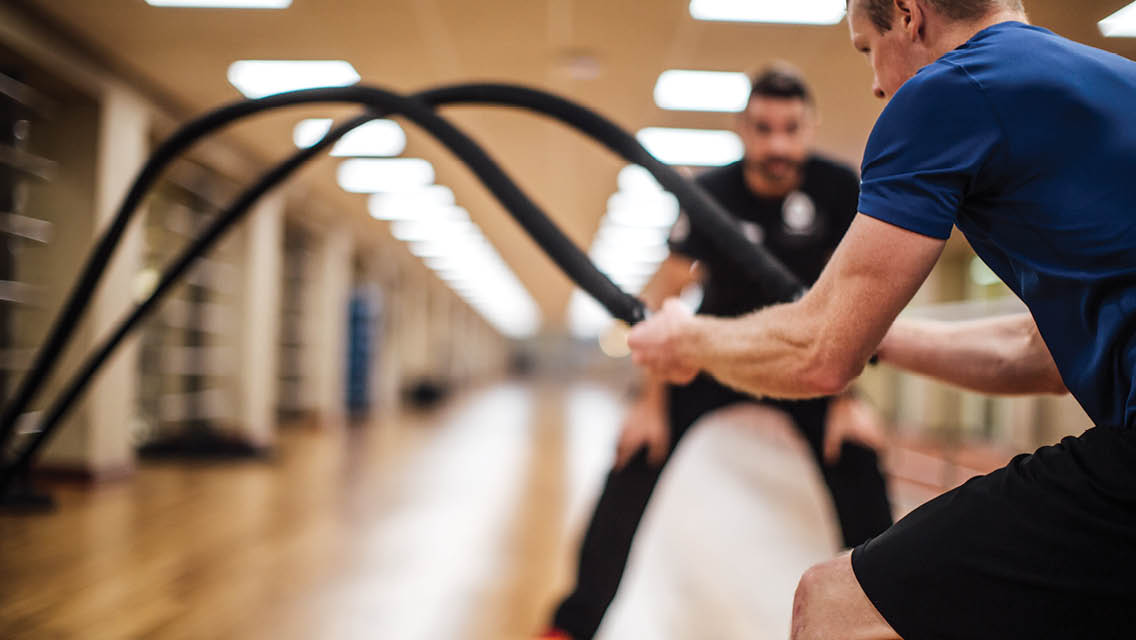
Battle ropes
-
Medicine balls
Functional conditioning builds stamina, coordination and athletic endurance.
Strength equipment for heart health
Strength training complements cardio by improving muscle endurance, which reduces strain on the heart during daily tasks. Gyms that support heart resilience offer:
-
Free weights
-
Cable systems
-
Leg press machines
-
Rowing strength stations
-
Controlled resistance tools
Climate controlled indoor environments
Stable temperatures allow longer workouts with safer heart rate responses. This is especially important for beginners, older adults and individuals with heart sensitivity.
Heart healthy training structure for Singapore adults
A well programmed approach supports long term cardiovascular resilience.
Low intensity steady state (LISS)
Great for beginners or recovery days. It improves aerobic base and reduces fatigue.
Examples:
-
Brisk walking on incline
-
Easy cycling
-
Light rowing
Moderate intensity cardio
The most effective for overall health and endurance.
Examples:
-
Jogging
-
Moderate cycling
-
Pacing on an elliptical
High intensity intervals (HIIT)
When used occasionally and safely, intervals improve heart capacity and oxygen uptake.
Examples:
-
30 seconds fast, 60 seconds slow on a treadmill
-
Rowing bursts
-
Bike intervals
Strength conditioning for the heart
Compound lifts such as squats and deadlifts improve circulation and support overall cardiovascular function.
The psychological benefits of heart focused training
Cardiovascular exercise supports not only physical health but also mental clarity and emotional wellbeing.
Reduced stress
Cardio regulates cortisol and promotes serotonin and dopamine release.
Improved focus
Better oxygen flow to the brain enhances productivity and reduces afternoon energy crashes.
Emotional stability
Regular heart conditioning improves mood and supports resilience against burnout.
Better sleep
People who engage in consistent cardiovascular training enjoy deeper and more restorative sleep.
Why consistency matters more than intensity
Many people assume that harder training equals better heart health. In reality, long term consistency is far more important. Even moderate training done regularly provides:
-
Better endurance
-
Improved circulation
-
Lower blood pressure
-
Increased energy
-
Reduced risk of chronic diseases
Consistency also prevents injuries that may interrupt progress.
Why dedicated fitness spaces matter for cardiovascular resilience
To build lasting heart strength, the training environment must offer:
-
Predictable access to equipment
-
Safety during higher intensity sessions
-
Clean and comfortable surroundings
-
A structured atmosphere that supports commitment
People are more likely to maintain a cardiovascular routine when the environment feels reliable and aligned with their goals.
How True Fitness Singapore supports cardiovascular resilience
In the later phase of the training journey, individuals often look for gyms that provide stability and measurable progression. This is where True Fitness Singapore plays a meaningful role. Its equipment variety, functional zones and cardio friendly layouts support heart health for people at every fitness level. By offering consistent access to machines, safe training spaces and temperature controlled environments, it helps adults build and maintain long term cardiovascular resilience.
Real life FAQ
Q1. Is cardio or strength better for heart health?
Both are important. Cardio improves endurance while strength training reduces daily physical strain, supporting overall heart efficiency.
Q2. How many minutes of cardio should I do weekly?
Most adults benefit from 150 minutes of moderate intensity or 75 minutes of higher intensity cardio each week.
Q3. I get tired quickly. How can I start safely?
Begin with low intensity steady state workouts and increase duration slowly. Consistency builds endurance.
Q4. Does humidity affect heart rate?
Yes. Singapore’s humidity increases cardiovascular demand. Indoor gym training helps regulate effort safely.
Q5. Can cardio training reduce stress?
Absolutely. Cardiovascular activity helps regulate stress hormones and improves mood.

Comments are closed.